Singapore is ageing quickly. According to the National Population and Talent Division, around 1 in 4 citizens will be aged 65 and above by 2030, up from 13.1% a decade ago. As more families care for elderly parents and more people move into the care sector, the demand for proper caregiving skills has grown, and so has the number of elderly care courses on offer.
Therefore, if you are thinking of enrolling on elderly care courses here in Singapore, this guide will cover what the courses are about, who they suit and key things to check before enrolling. Knowing what to look for will help you choose the right course the first time.
What Are Elderly Care Courses In Singapore?
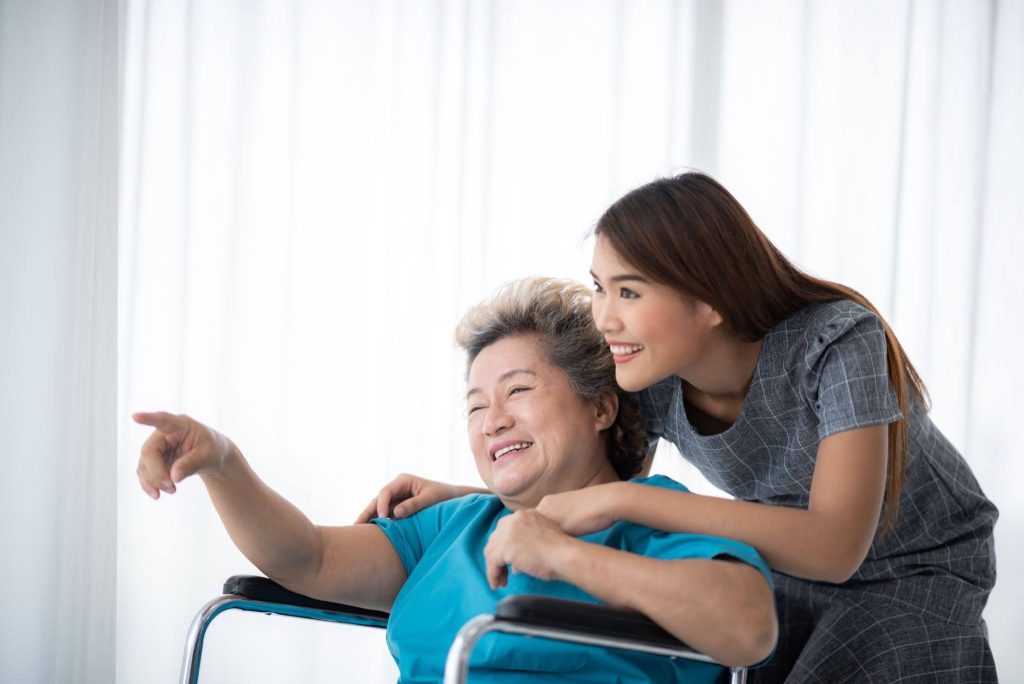
Elderly care courses, also called eldercare or caregiver courses, train you to support older adults with their daily living, health, and emotional well-being. Most are short, practical programmes that run over a few days and combine classroom learning with hands-on practice.
The better course goes beyond physical tasks. They will also teach you on how to communicate with seniors, how to recognise common health conditions and how to look after your own well being so you can keep caring for others without burning out.
In Singapore, majority of these course are WSQ certified and eligible for government funding which makes them accessible to both families and career learners
Two groups typically enrol:
- Family caregivers who want the confidence and skills to care for an elderly parent or relative at home.
- Aspiring and mid-career professionals moving into the senior care, community care, or healthcare support sectors.
Are Elderly Care Courses WSQ Certified?
Many eldercare courses in Singapore sit under the Workforce Skills Qualifications (WSQ) framework, a national credential system run by SkillsFuture Singapore. Because WSQ courses are assessed against national standards, the skills you learn are consistent and recognised across the sector.
One thing to check: WSQ moved to a refreshed framework, WSQ 2.0, from 1 May 2026, and accreditation or funding can change between renewals. Confirm a course’s current WSQ status and funding tier with the provider before you enrol.
Who Should Take an Elderly Care Course?
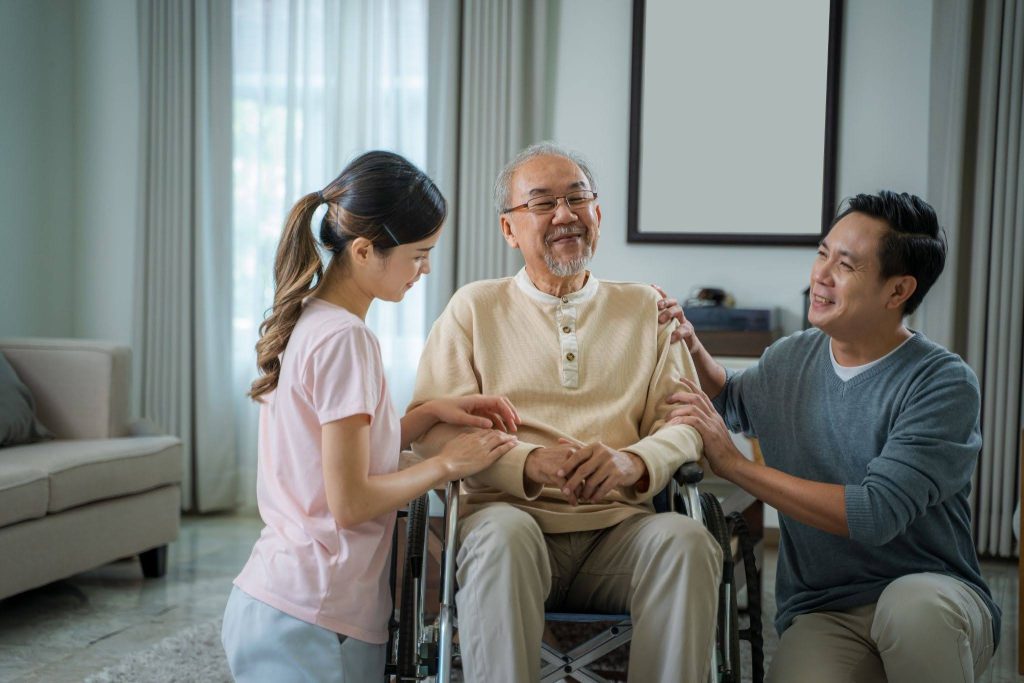
An eldercare course suits anyone who supports, or wants to support, older adults, whether at home or as a job. Most foundational courses welcome beginners, so you do not need prior caregiving experience to start.
These courses are a good fit if you are:
- A family caregiver looking after an elderly parent, spouse, or relative and wanting to do it safely and confidently.
- A mid-career switcher moving into the senior care or social service sector.
- An aspiring caregiver or healthcare assistant building a foundation before further study or work.
- A domestic helper upgrading your skills to better support an elderly employer.
- A community volunteer who works with seniors and wants practical, respectful skills.
Entry requirements vary by course, usually around a minimum age of 21 and a basic level of English literacy, so check the specific course before applying.
What You Will Learn
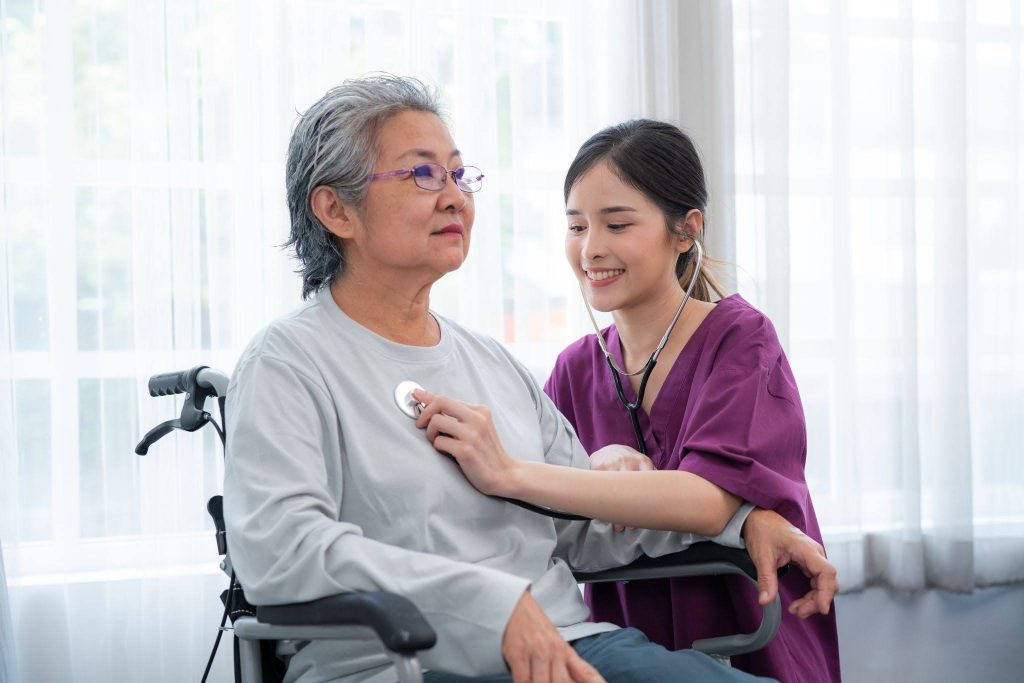
Most eldercare courses in Singapore cover a similar core of practical and people skills, taught through lessons, demonstrations, and roleplay.
Common areas include:
- Communicating with seniors : Building trust and patience, adapting to hearing, speech or memory changes.
- Supporting daily living : Helping with hygiene, dressing, feeding and mobility while protecting dignity and independence.
- Understanding health conditions : Recognising common issues such as chronic illness, reduced mobility, and the effects of dementia or low mood.
- Caregiver self-care : Managing stress and emotional fatigue so you can sustain the role.
How Much Do Elderly Care Courses Cost In Singapore?
Course fees vary by provider, but government funding brings the cost down significantly for most learners. Eligible WSQ courses can be paid for with SkillsFuture Credit, and Singapore Citizens and Permanent Residents can receive SkillsFuture Singapore subsidies that cover a large share of the fee.
Comparing JL Institution’s Two Eldercare Courses
JL Institution offers two WSQ certified eldercare courses that suit slightly different needs. Support Service to Seniors focuses on communication, daily living, and emotional well-being, making it a strong first step for person centred senior care. 护理援助课程 is more hands-on, covering physical care tasks, infection control, and first aid. Many learners take both to build a fuller skill set.
| Features | Support Service to Seniors | 护理援助课程 |
| Format | 2 days, 16 hours, classroom with hands-on practice and assessment | 2 days, 16 hours, classroom with hands-on practice and assessment |
| Entry Requirement | 21 and above. Primary school education | 21 and above. Primary school education |
| Focus | Communication, daily living and independence, physical and emotional well-being, active ageing | Activities of Daily Living, recognising chronic conditions, infection control, first aid |
| Best for | Aspiring caregivers, career switchers into senior care, family members, community volunteers | Family caregivers, domestic helpers upgrading skills, new caregivers entering the care sector |
What To Check Before You Enroll
Before you commit to any elderly care course, here is a short checklist to help you find the right one for your goal and starting point:
- WSQ Accreditation : Confirm the course is currently WSQ accredited
- Course code and Credential : Check the course code and that you will receive a Statement of Attainment on completion.
- Entry Requirements : Make sure you meet the age and literacy requirements which can differ from course to course.
- Format and Duration : Check whether the course is in person, how many days it runs and how much hands-on practice is included.
- Your Goal : Decide whether you want skills to care for a loved one at home or a credential to enter the care workforce, as this guides which course to choose.
Why Choose JL Institution

JL Institution has trained thousands of learners across Singapore since 2014, with WSQ certified, SkillsFuture claimable courses in caregiving and counselling. Its programmes are developed with psychologists, paediatricians, nutritionists, and educators, and taught by trainers experienced in healthcare, gerontology, and social service, so you learn from people who understand real care settings. You can browse all our courses to see the full range.
Ready to Begin?
A WSQ credential can also open the door to roles in the care sector, from care associate to community care staff, and JL Institution’s career progression pathway shows how the courses build towards further training.
Choosing the right course comes down to your goal, your starting point, and the support you qualify for. If you are ready to begin, explore Support Service to Seniors 和 护理援助课程, or contact our team for guidance on which course fits you best.