Insights
Elderly Caregivers Course: What You Will Learn & Career Opportunities
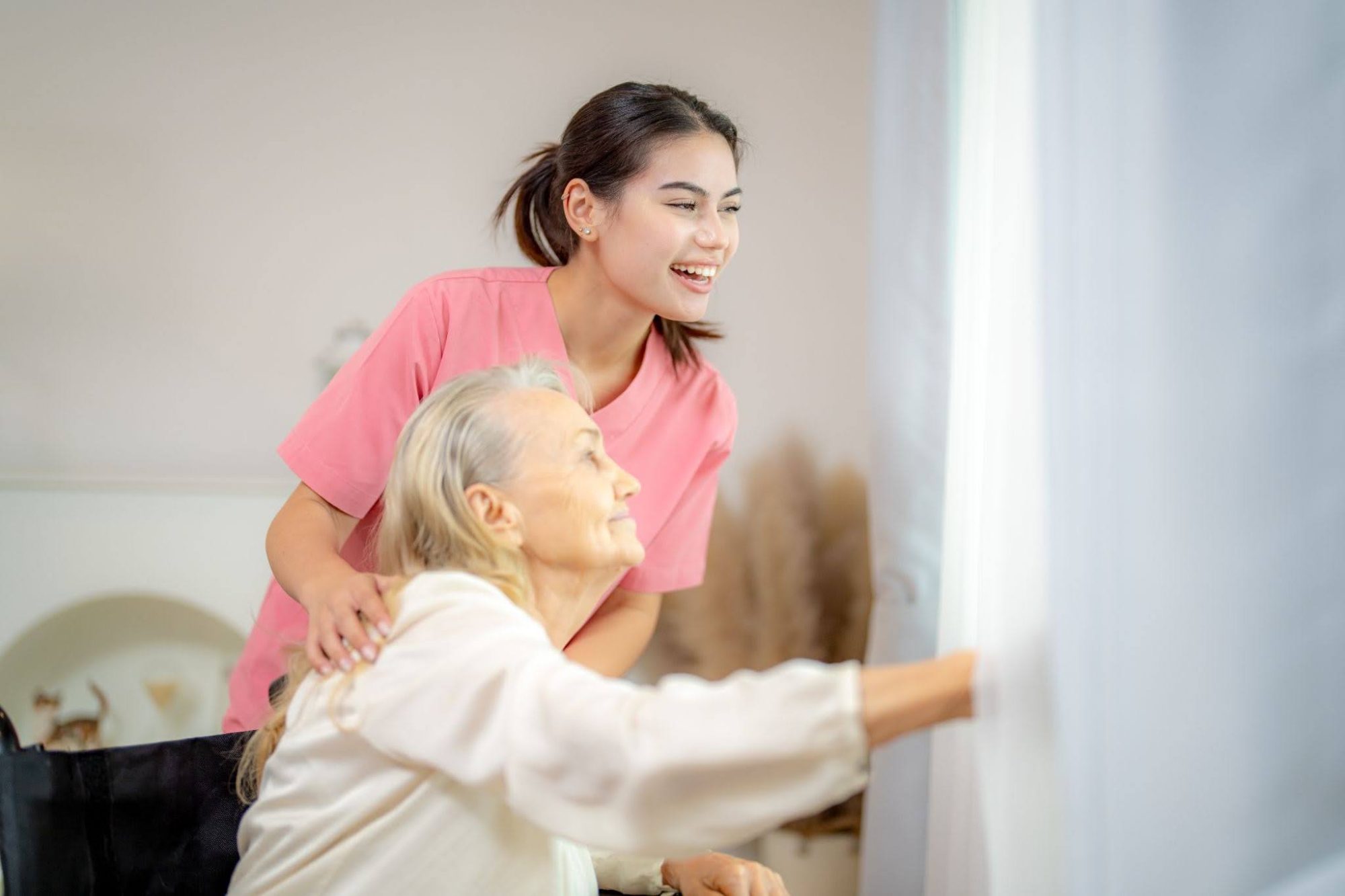
Discover what you will learn in an elderly caregiver course, including essential caregiving skills, senior care practices, and career opportunities.
The world's population is ageing, and the need for trained caregivers continues to grow. More families now require support to care for ageing parents and relatives, while healthcare providers and care facilities need skilled people who can meet the needs of older adults. An elderly caregiver course equips you with the knowledge and practical skills to support their health, independence, and quality of life. Whether you want to build a career in elderly care or care for a loved one at home, the right training gives you the confidence to provide safe and respectful care. In this guide, you'll discover what an elderly caregiver training course covers, the career opportunities it can lead to, and how professional caregiver training prepares you for real-life caregiving situations. If you're ready to begin your journey in elderly care, explore our Support Service to Seniors and Care Assistance courses. Contact us at JL Institution Singapore to learn more about our training programmes and take your first step towards a rewarding caregiving career.
What Is an Elderly Caregiver Course?
An elderly caregiver course is a structured training programme that teaches learners how to care for older adults in different settings. It combines classroom learning with practical exercises, allowing you to apply what you learn through hands-on activities and caregiving scenarios. The course is suitable for:
- Aspiring caregivers
- Domestic helpers
- Healthcare assistants
- Individuals caring for elderly family members
Throughout the training, you'll learn how to support seniors with respect while promoting their safety, health, and independence. Practical sessions also prepare you for situations you may encounter in homes, nursing homes, hospitals, and community care settings. Upon successful completion, you'll receive a certificate that recognises the skills and knowledge you've gained.
What You Will Learn in an Elderly Caregiver Course
A caregiver training course covers both technical skills and interpersonal skills. Together, they help you provide care that meets seniors' physical, emotional, and social needs. 1. Communicating Effectively with Seniors Good communication builds trust between caregivers and seniors. You'll learn how to listen with care, speak with respect, and understand each person's needs. The course covers: - Active listening techniques - Respectful communication - Building trust and rapport - Responding with patience and understanding These skills help reduce misunderstandings and create stronger relationships with those under your care. 2. Supporting Daily Living Activities Many seniors need support with daily routines while still wanting to remain independent. You'll learn how to assist without taking away their dignity. Topics include: - Personal hygiene assistance - Dressing and grooming support - Safe mobility assistance - Encouraging independence in daily activities By understanding the right techniques, you can help seniors complete everyday tasks safely and comfortably. 3. Understanding Seniors' Physical and Emotional Wellbeing Healthy ageing involves more than physical care. Seniors also need emotional support, as their mental and emotional wellbeing has a direct impact on their quality of life. During the course, you'll learn how to: - Recognise common age-related health changes - Identify signs that may require attention - Provide emotional support - Promote dignity and comfort during caregiving This knowledge allows you to respond to seniors' needs with care and confidence. 4. Encouraging Active Ageing and Social Engagement Remaining active helps seniors maintain their physical health and emotional wellbeing. Staying engaged allows them to connect with others, build meaningful relationships, and reduce feelings of loneliness and isolation. You'll discover how to encourage: - Meaningful daily activities - Mental stimulation - Social participation - Community involvement These approaches help seniors stay engaged and connected with the people around them. 5. Essential Care Assistance Skills Practical caregiving requires the right techniques to keep both caregivers and seniors safe. You'll develop skills in: - Safe caregiving practices - Infection prevention and hygiene - Safe mobility support - Responding to common caregiving situations These practical skills prepare you for everyday caregiving responsibilities across different care settings.
Career Opportunities After Completing an Elderly Caregiver Course
Completing an elderly caregiver course can open doors to different roles within the healthcare and aged care sector. As the demand for elderly care services continues to grow, trained caregivers are needed in both home-based care and residential care facilities. Career pathways include:
- Professional elderly caregiver
- Home caregiver
- Nursing home caregiver
- Healthcare assistant
- Community care support worker
- Domestic helper specialising in elderly care
The skills you gain are also valuable if you are caring for an ageing parent, grandparent, or family member. You'll understand how to provide support while helping them maintain their independence and quality of life. Whether you choose a professional career or provide care at home, caregiver training gives you practical skills that make a difference.
Explore Our Elderly Caregiver Training Courses
If you're ready to begin your caregiving journey, our training programmes provide the knowledge and practical experience needed to support seniors with confidence. Support Service to Seniors The Support Service to Seniors course focuses on helping learners understand the needs of older adults while promoting their wellbeing and independence. You'll learn how to: - Communicate with seniors in a respectful manner - Support daily living activities - Understand seniors' physical and emotional wellbeing - Encourage active ageing and social participation This course helps learners build the interpersonal skills needed to provide person-centred care. Care Assistance The Care Assistance course focuses on practical caregiving techniques that prepare learners for everyday care responsibilities. You'll develop skills in: - Daily care assistance - Mobility support - Safe caregiving practices - Hygiene and infection prevention - Practical techniques for real-life caregiving situations Both courses combine classroom learning with practical training, giving learners opportunities to apply their knowledge before entering caregiving roles.
Why Choose Professional Caregiver Training
Professional caregiver training prepares you for the responsibilities that come with caring for older adults. Rather than relying on trial and error, you'll learn proven techniques from trainers with industry experience. Benefits of professional training include:
- Practical skills that reflect current caregiving practices
- Guidance from experienced trainers
- Hands-on learning through practical sessions
- Confidence in providing safe and respectful care
- A recognised certificate that demonstrates your competency
With structured training, you'll be better prepared to provide care that meets the needs of seniors in both home and professional settings.
Take the First Step Towards a Meaningful Caregiving Career
A career in elderly care is about supporting people through one of the most important stages of their lives. By completing an elderly caregiver course, you'll gain practical caregiving skills, communication techniques, and the confidence to provide safe, respectful care. Whether you plan to become a professional caregiver, work in a care facility, or support an ageing family member, proper training gives you the knowledge to make informed decisions and respond to real-life situations. If you're ready to begin your journey in elderly care, explore our Support Service to Seniors and Care Assistance courses. Contact us at JL Institution Singapore to learn more about our training programmes and take your first step towards a rewarding caregiving career.
